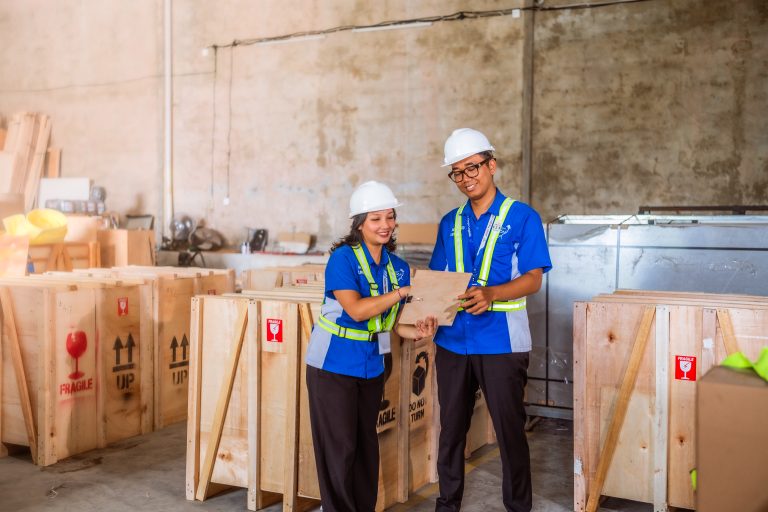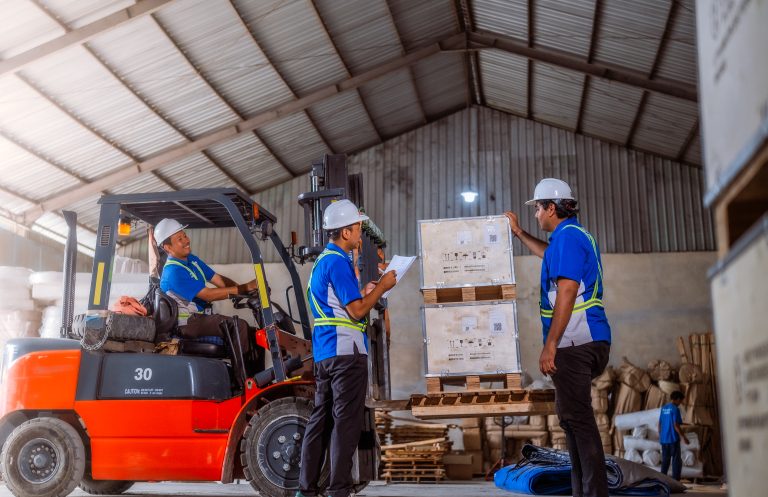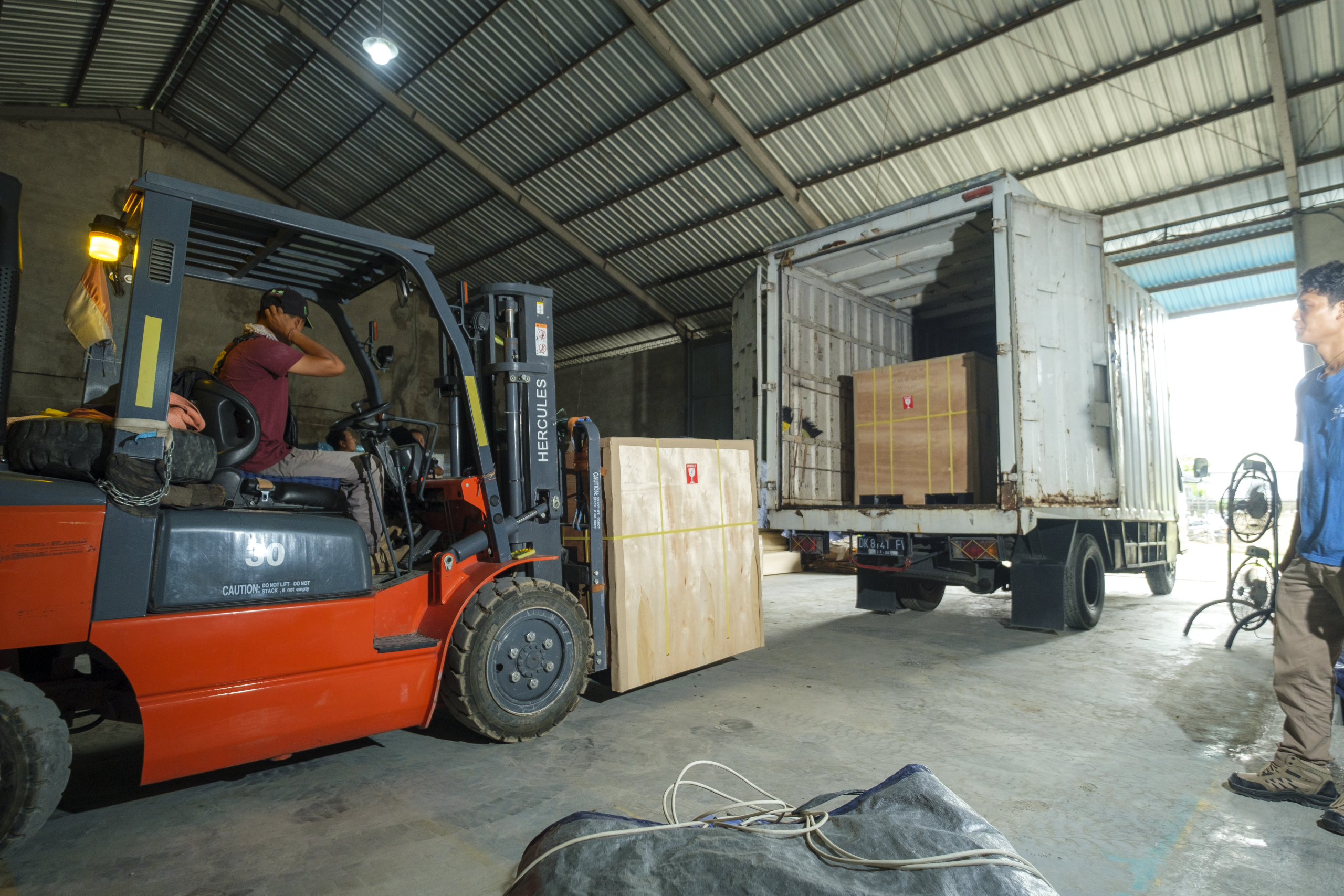
Three destinations take most of the cargo that leaves Bali: Australia, the United States and Europe. The goods are often the same, furniture, handicraft, homeware and personal effects, but the three lanes behave very differently once the container leaves. Different transit times, different filings, and one of them with the strictest biosecurity in the world. Here is what changes, and what to plan for before you book.
Sea or air, and when each makes sense
Sea freight is the default for anything bulky. You pay for space, either per cubic meter in a shared container or per container if you fill one, and the trade off is time. Air freight is priced on chargeable weight, whichever is higher between actual weight and volume, and it makes sense for samples, spare parts, documents and small high value goods. If you are unsure whether your volume justifies a full container, LCL or FCL, which one is actually cheaper works through the numbers.
How cargo actually leaves Bali
Air cargo departs from I Gusti Ngurah Rai. Sea cargo is less direct. Benoa handles some international calls, but most containers from Bali are trucked or shipped to Surabaya or Jakarta and loaded onto a mainline vessel there, sometimes with a further transhipment in Singapore or Port Klang. That is normal and usually cheaper than waiting for a direct call, but it is why quoted transit times vary so much between forwarders. Always ask where the cargo is loaded and how many transhipments are in the routing.
Australia: the strictest biosecurity of the three
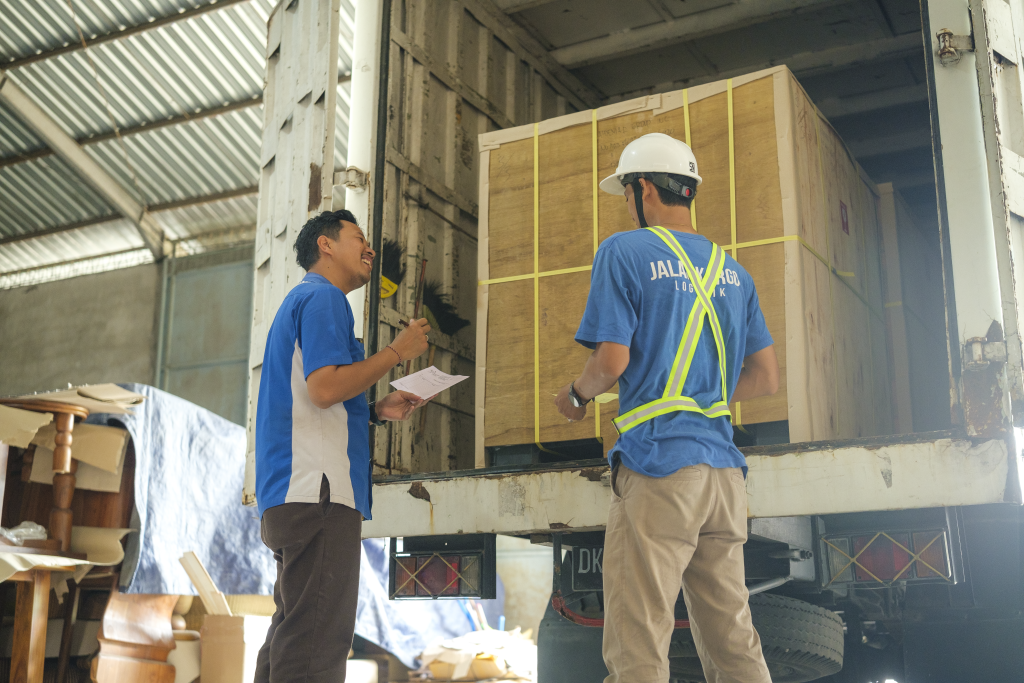
Australia inspects for pests and contamination far more aggressively than the other two lanes, and most holds have nothing to do with customs. Wooden crates and pallets need the ISPM 15 treatment mark. Rattan, bamboo, dried botanicals and anything with bark attached attract close inspection and often fumigation on arrival at your cost. Containers are also checked for soil, seeds, insects and leftover plant material, so a container that was clean when it was stuffed matters as much as the goods inside it.
Sea transit is typically around two to four weeks to the east coast ports, depending on the routing. Air freight is usually a matter of days. Build in extra time for a biosecurity inspection, because it is common rather than exceptional.
The United States: filings before the vessel sails
The United States wants information early. The importer security filing, known as ISF or 10+2, has to be submitted before the vessel loads, and a late or missing filing carries a penalty. Your buyer also needs a customs bond in place, and goods such as food, supplements and cosmetics fall under FDA rules on top of customs. Wooden packaging needs the same ISPM 15 mark as everywhere else.
Sea transit is typically around four to six weeks to the west coast and longer to the east coast, since the routing usually adds a transhipment. The filing deadlines, not the sailing, are what catch first time shippers here.
Europe: the paperwork travels with the goods
Europe is administratively the heaviest of the three. Your buyer needs an EORI number to import at all, import VAT is charged in the destination country, and some product categories need CE marking before they can be sold. Wood and timber products now also face European due diligence rules on where the material came from, so your buyer may ask for supplier declarations that never used to be requested. Ask them early what their customs broker needs, because collecting it after the container sails is painful.
Sea transit is typically around five to seven weeks to the main northern European ports. A certificate of origin matters more on this lane than most, because it can lower the duty your buyer pays.
What actually drives the price
- Volume, not weight, for sea freight. Measure the finished crate, since packaging is space and space is what you pay for.
- Chargeable weight for air freight. Light bulky cargo is priced on the space it occupies, which is why furniture rarely flies.
- Season. Rates climb before Christmas and Chinese New Year, and space gets tight. Booking early on those lanes is worth more than negotiating hard.
- Charges at the far end. Destination handling, customs clearance and delivery are often quoted separately. Ask whether they are included before you compare two prices.
- The Incoterm. It decides which of those costs are yours and which are your buyer’s. Our guide to Incoterms explains the common ones.
Plan backwards from the arrival date
Work back from when the goods must land. Subtract delivery and clearance at the far end, the sea transit for that lane, then the container cut off, which closes two to three days before the vessel sails. Before that sits the part people forget: fumigation or heat treatment, quarantine inspection, and the certificate of origin. On a first shipment the paperwork usually needs more lead time than the production does.
Who ships it matters more on long lanes
A domestic shipment that goes wrong costs you a day. A container to Rotterdam that is held for a missing filing costs you weeks and demurrage. Ask who files the documents, whether clearance is handled in house, and what happens if the cargo is inspected. If you are still comparing companies, our guide to the best cargo company in Bali lists the questions worth asking, and on high value cargo it is also worth reading when cargo insurance earns its cost.
Where we come in
Jalak Kargo Logistik ships from Bali to Australia, the United States and Europe by sea and air, including export crating, ISPM 15 treatment, quarantine, customs clearance and the document set your buyer needs. Tell us the destination, the packed dimensions and the date the goods must arrive, and we will send the realistic routing rather than the fastest looking one. For furniture specifically, see shipping furniture from Bali, and the short answers are on our FAQ page.