Edible oil, latex, syrups, glycerine and industrial chemicals are shipped by the tonne out of Indonesia, and almost none of it travels in drums any more. Bulk liquids move in two containers built for the job: the flexitank and the ISO tank. Both fit on the same ships and trucks as a normal container, but they suit different cargo, volumes and budgets.
This guide explains how each one works, what it can carry, and the questions that decide which one your shipment needs.
Why not drums or IBCs?
Drums and IBC totes work for small quantities, but they waste space. A 20 foot container filled with IBCs carries far less liquid than the same container fitted with a flexitank or built as a tank. Every extra handling step is also a chance for a leak or contamination. Once a shipment reaches container volume, bulk is usually cheaper per litre and cleaner to handle.
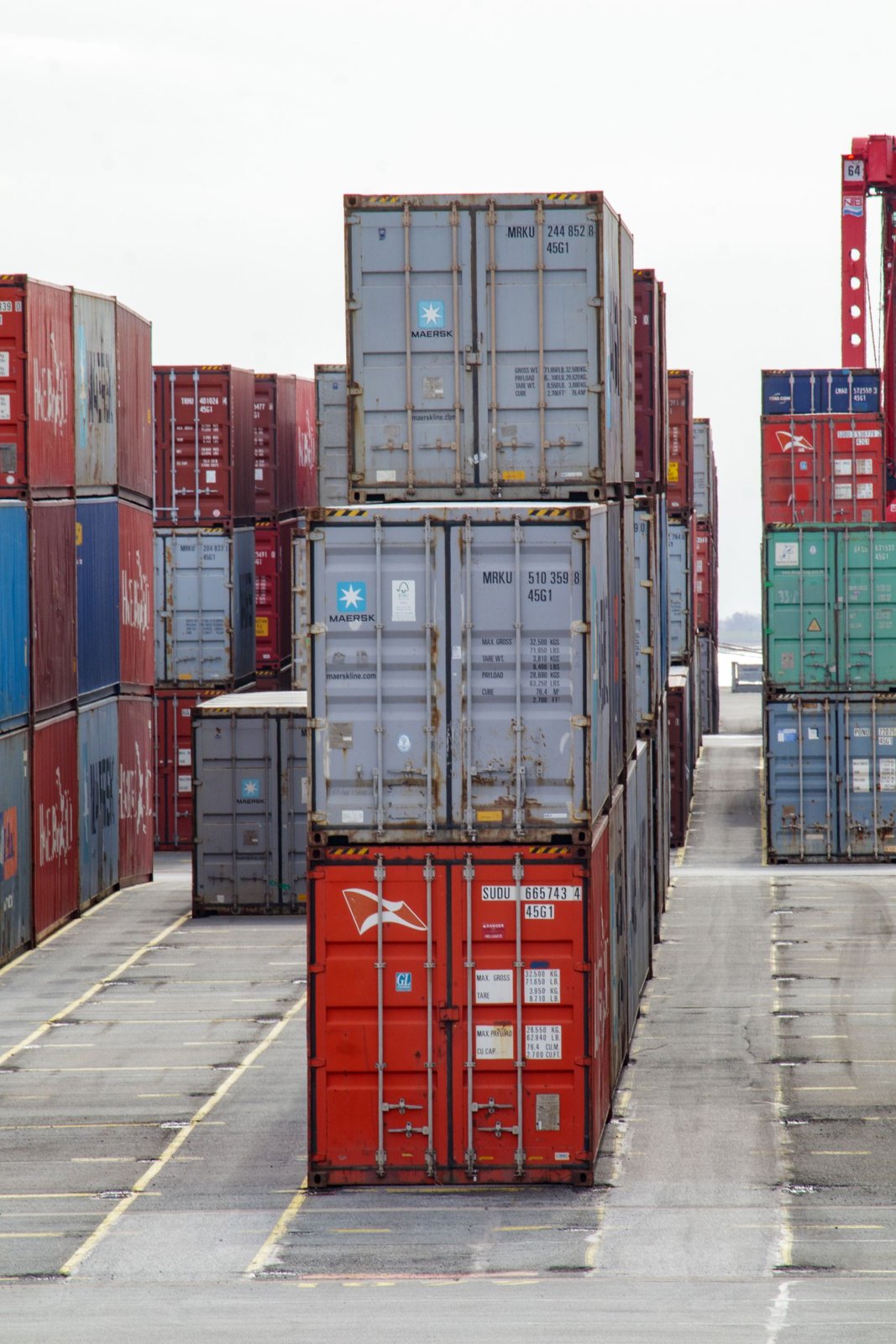
What a flexitank is
A flexitank is a large single use bag, made of several layers of plastic, that is installed inside a standard 20 foot container. It is filled through a valve, sealed, and emptied at the destination, then disposed of. A typical flexitank holds roughly 16,000 to 24,000 litres.
- Suits non hazardous liquids only: edible oils, latex, glycerine, syrups, wine, non hazardous chemicals.
- No return trip for an empty tank, because the bag is used once.
- Needs a sound container and careful installation, since the bag relies on the container walls.
What an ISO tank is
An ISO tank is a stainless steel tank mounted inside a 20 foot frame. It is reusable, built to international standards, and comes in versions rated for food grade cargo and for hazardous chemicals. Most hold around 21,000 to 26,000 litres. Some can be heated or insulated for cargo that must stay at a set temperature.
- Carries hazardous and food grade liquids when the tank is rated for them.
- Must be cleaned between loads, with a cleaning certificate before the next fill.
- The tank has to be repositioned after delivery, which is part of the price.
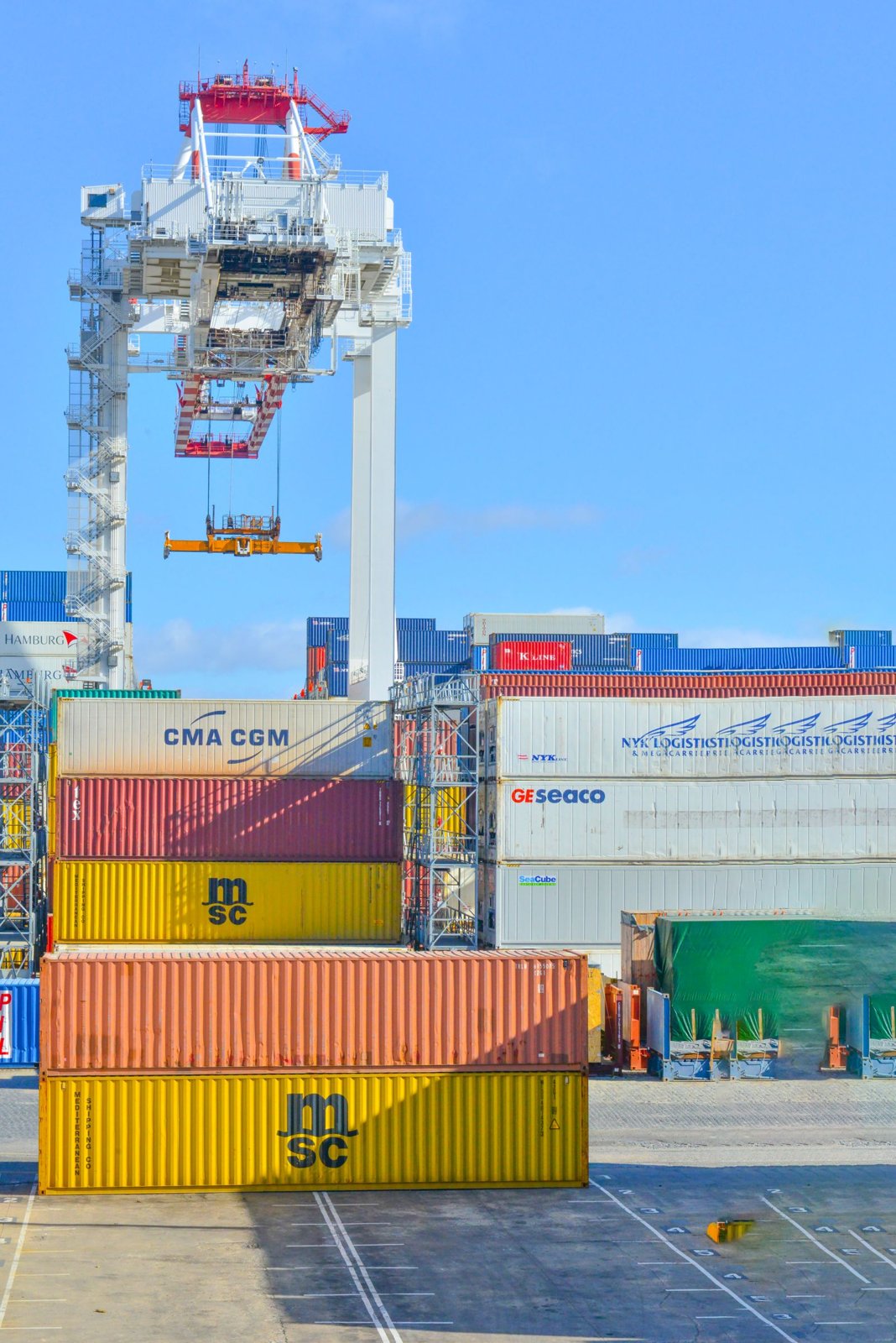
Side by side
The short version: a flexitank is usually the lower cost choice for non hazardous liquids on a one way trip, while an ISO tank is the safer and often required choice for chemicals, sensitive food products and cargo that needs temperature control. If your liquid is classed as dangerous goods, a flexitank is not an option.
Questions that decide the choice
- Is the liquid classed as hazardous? Check the safety data sheet first.
- How much are you shipping, and how often?
- Does it need heating or a fixed temperature during transit?
- Is the cargo food grade, and does the buyer require a cleaning certificate?
- Can the receiver discharge it with a pump at the destination?
Common mistakes with bulk liquids
- Booking a flexitank, then finding out the liquid is classed as hazardous.
- Filling a flexitank too little. A half empty bag lets the liquid surge and can damage the container.
- Forgetting that some oils turn solid when cold and need heating to discharge at the destination.
- Loading a food grade ISO tank without a cleaning certificate, which the buyer can reject.
Each of these is cheaper to check at booking than to fix at the destination port. Ask your forwarder to confirm the tank type against the safety data sheet before anything is loaded.
Documents and customs
Bulk liquids need the usual export set, plus a safety data sheet and, for food products, the certificates the destination country asks for. Permits depend on the product and its status as restricted goods. Our guide to customs clearance in Indonesia explains the paperwork that keeps cargo moving at the port.
Moving bulk liquids within Indonesia
Not every liquid shipment leaves the country. Inter island moves, factory to factory deliveries and port to warehouse transfers use the same flexitanks and ISO tanks, carried by sea and by tanker truck. Our teams in Bali, Jakarta, Semarang and Yogyakarta handle both export and domestic bulk liquid moves. See our bulk liquids transport service for the details.
Get a quote
Send us the product name, its safety data sheet, the volume, the loading point and the destination. We recommend flexitank or ISO tank and reply with an itemised quote, usually within 24 hours. Request a quote here.