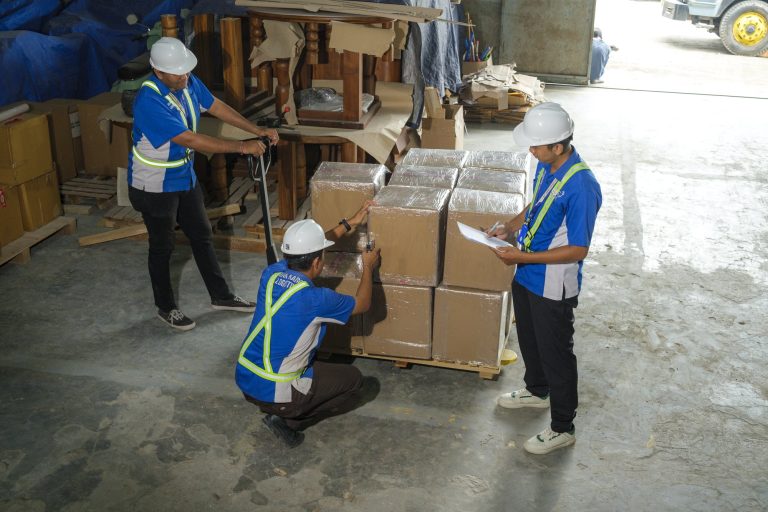
Most cargo from Bali goes by sea, because sea freight is cheaper for anything heavy or bulky. But some shipments cannot wait six weeks. Samples for a buyer, stock for a product launch, spare parts for a stopped machine or goods for an event all need to arrive in days. Air cargo from Ngurah Rai International Airport makes that possible. Here is how it is priced, how long it takes and what you need to know before booking.
How air cargo is priced
Airlines charge on chargeable weight, which is the higher of two numbers.
- Actual weight. What the packed shipment weighs on the scale, in kilograms.
- Volume weight. Length times width times height in centimeters, divided by 6,000. A carton of 60 by 40 by 50 centimeters has a volume weight of 20 kilograms, even if it only weighs 8.
Dense cargo like documents, metal parts or electronics is charged on actual weight. Light, bulky cargo like cushions, rattan or lampshades is charged on volume. Packing tighter is the easiest way to bring the price down. The rate per kilogram also drops at higher weight bands, so a 100 kilogram shipment usually costs less per kilogram than a 20 kilogram one.
On top of the freight rate come fuel and security surcharges, airport handling, export clearance and, at the destination, import clearance, duties and delivery. Our article on what cargo from Bali costs explains every part of the bill.

Transit times from Bali
Few cargo flights from Bali go direct to Europe or the United States. Most shipments connect through hubs such as Jakarta, Singapore, Kuala Lumpur or the Gulf. Typical door to door times are a few days to Australia and Asia, and around a week to Europe and the United States, including clearance at both ends. Express courier services are faster for small parcels, while general air cargo is better value from roughly 30 to 50 kilograms upwards.
When air freight is worth it
- The goods are small and valuable, so the air premium is small compared with their value.
- There is a deadline that cannot move, like an event, a launch or a seasonal sale.
- Stock sells fast enough to pay back the difference before sea cargo would arrive.
- A delay would cost more than the freight, for example a production line waiting for parts.
For heavy, bulky or low value goods, sea freight is usually the better choice. Many shippers split an order: a small urgent part by air and the rest by sea.
What cannot fly, or can only fly with rules
Airlines follow dangerous goods regulations, and many everyday products fall under them.
- Lithium batteries. Batteries inside devices can usually fly with the correct declaration and packing. Loose batteries are heavily restricted.
- Perfume, aerosols and alcohol based products. Flammable, so limited in quantity and specially packed.
- Paint, glue and solvents. Often flammable and restricted.
- Compressed gas. Cylinders, including empty ones, are usually not accepted.
- Magnets and some machinery. May need checking because they can affect aircraft instruments.
Declared correctly, many of these can still travel. Undeclared, they are refused or seized, and the shipper can be fined. Tell us exactly what you are sending and we will check it before booking.
Documents for air cargo
- Commercial invoice and packing list.
- Export declaration.
- Air waybill, issued by the airline or forwarder.
- Dangerous goods declaration and safety data sheet, where relevant.
- Permits or certificates for regulated goods such as food, plants or cosmetics.
Booking air cargo from Bali
Send us the packed dimensions and weight of each carton, what the goods are, the destination and the date they must arrive. We will compare air and sea honestly and quote the full cost within 24 hours on working days. If you are still choosing a provider, our guide to the best cargo company in Bali covers what to check, and quotes go through our quote request form.