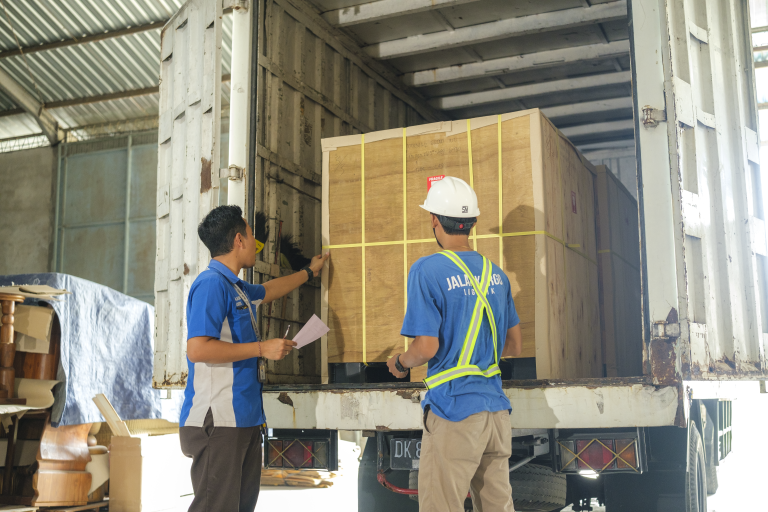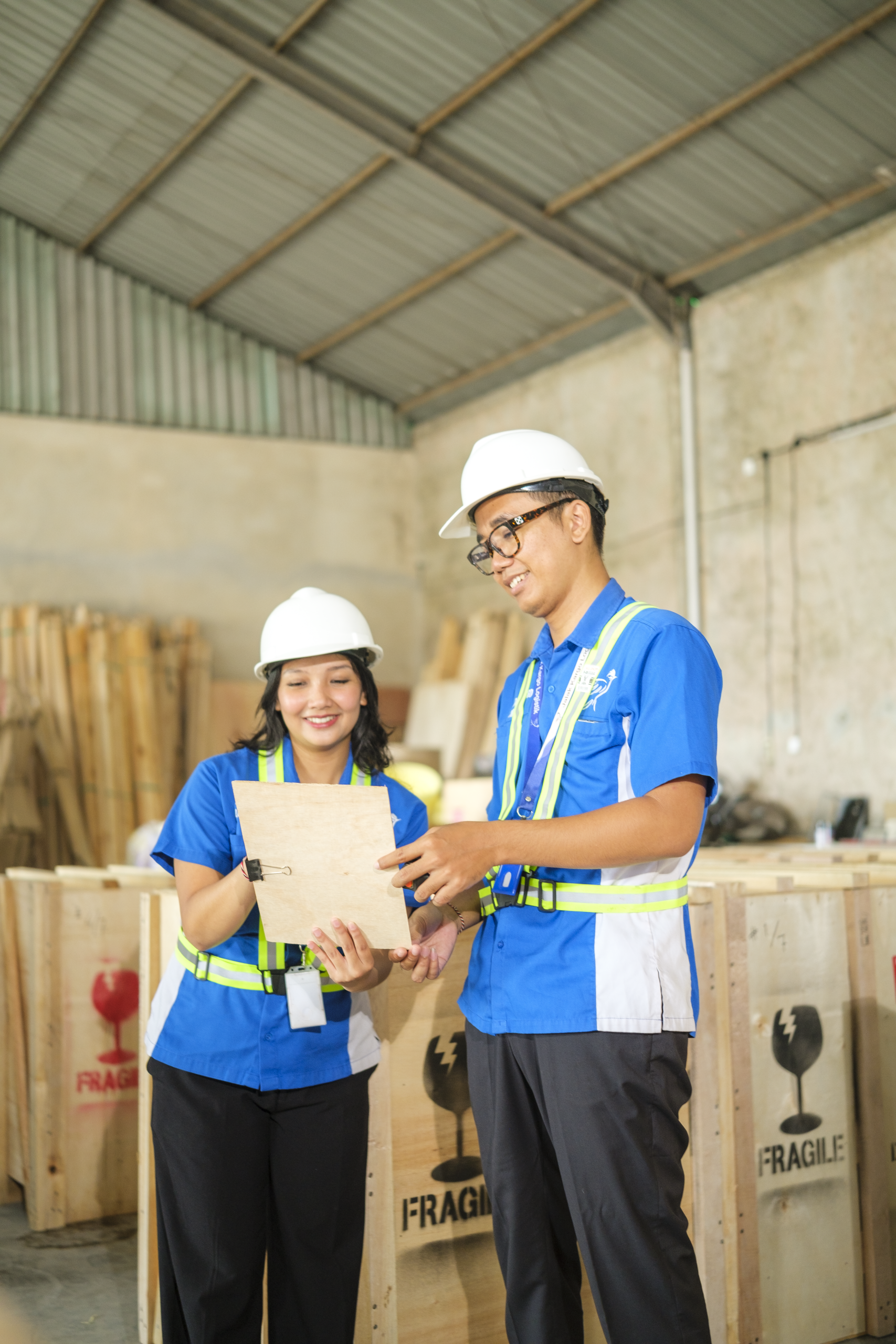
Bali ships handicraft to the world every week: carved wood, rattan, ceramics, textiles, shell and bone work, woven bags. The shipping part is rarely the problem. What holds these shipments up is the paperwork behind the materials, and packaging that was never built for a container. This guide covers what you need before the cargo leaves, in the order you will need it.
Start with the HS code, not the invoice
Every item you export is classified under an HS code, and that code decides the duty your buyer pays, which certificates you need, and whether the goods are restricted at all. Handicraft is awkward here because one product can sit under several codes. A carved wooden bowl, a wooden statue and a wooden picture frame are not the same line.
Get the code right before you quote, because the code also determines whether your buyer can claim a preferential tariff. If they can and you have not prepared the right certificate of origin, they pay full duty and the discount is gone.
The documents you will actually need
- Commercial invoice and packing list. Every number has to match across both, and match the cargo. This is the single most common cause of a shipment sitting still.
- Bill of lading or air waybill. Issued by the carrier once the cargo is loaded.
- Certificate of origin. Issued through the Ministry of Trade system. Your buyer needs it to claim a lower tariff under trade agreements such as ASEAN or the agreements with China, Japan, Australia and others.
- Fumigation or heat treatment certificate for any wooden packaging, and often for the goods themselves when they are made of wood.
- Phytosanitary certificate for anything of plant origin, including rattan, bamboo, water hyacinth, pandan and dried botanicals.
If export documents are new to you, our guide to exporting goods from Bali walks through the procedure end to end.
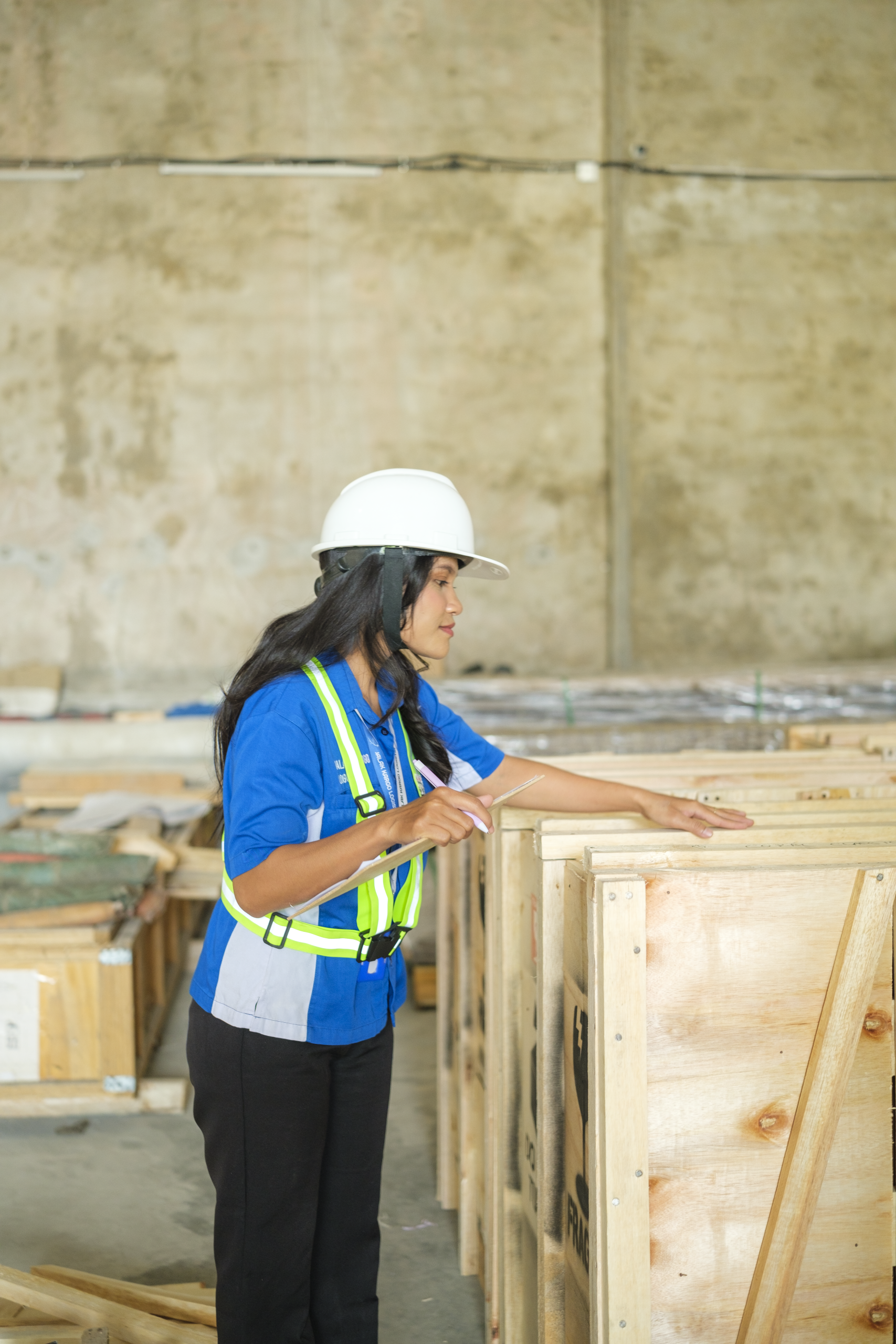
Wooden packaging: ISPM 15 is not optional
Most countries require wooden crates, pallets and dunnage to be treated under ISPM 15 and stamped with the treatment mark. Untreated wood is the reason shipments get held, re-packed at the destination at your cost, or in the worst case sent back.
Treatment is either heat treatment or fumigation, carried out by a registered provider, and it takes time to schedule. Book it with the crating, not after. Note that this applies to the packaging even when the goods inside are ceramic or textile.
Materials that need a closer look
Bali handicraft often uses materials that customs treat differently from the wood or cloth they look like.
- Rattan, bamboo and woven plant fibre. Plant quarantine applies. Expect inspection and a phytosanitary certificate.
- Shell, coral and bone. Some species are protected under CITES and some are prohibited outright. Never assume a material is fine because it is sold openly in a local market.
- Antiques and cultural objects. Items above a certain age can fall under cultural property rules and need clearance before export.
Check the material before you accept the order, not after the buyer has paid. A restricted material found at the port is not a delay, it is a cancelled shipment.
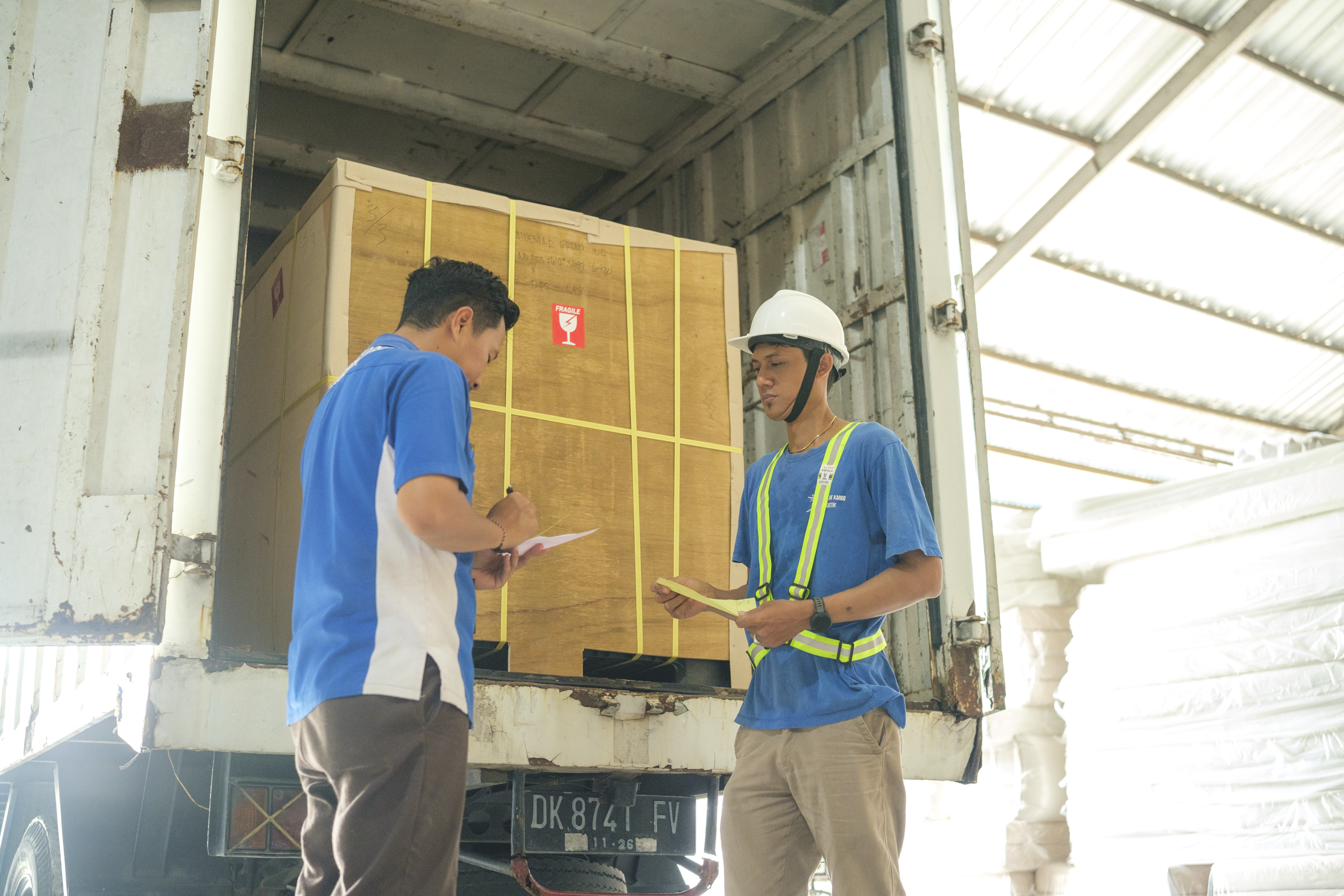
Packing many small items without paying for empty space
Handicraft is usually light and bulky, which is the worst combination for freight, because you are charged for the space it occupies rather than its weight.
- Nest and fill. Pack small items inside larger ones where the shapes allow, then fill the voids so nothing moves.
- Standardise your master cartons. Uniform cartons stack tightly and waste far less container space than a mix of odd sizes.
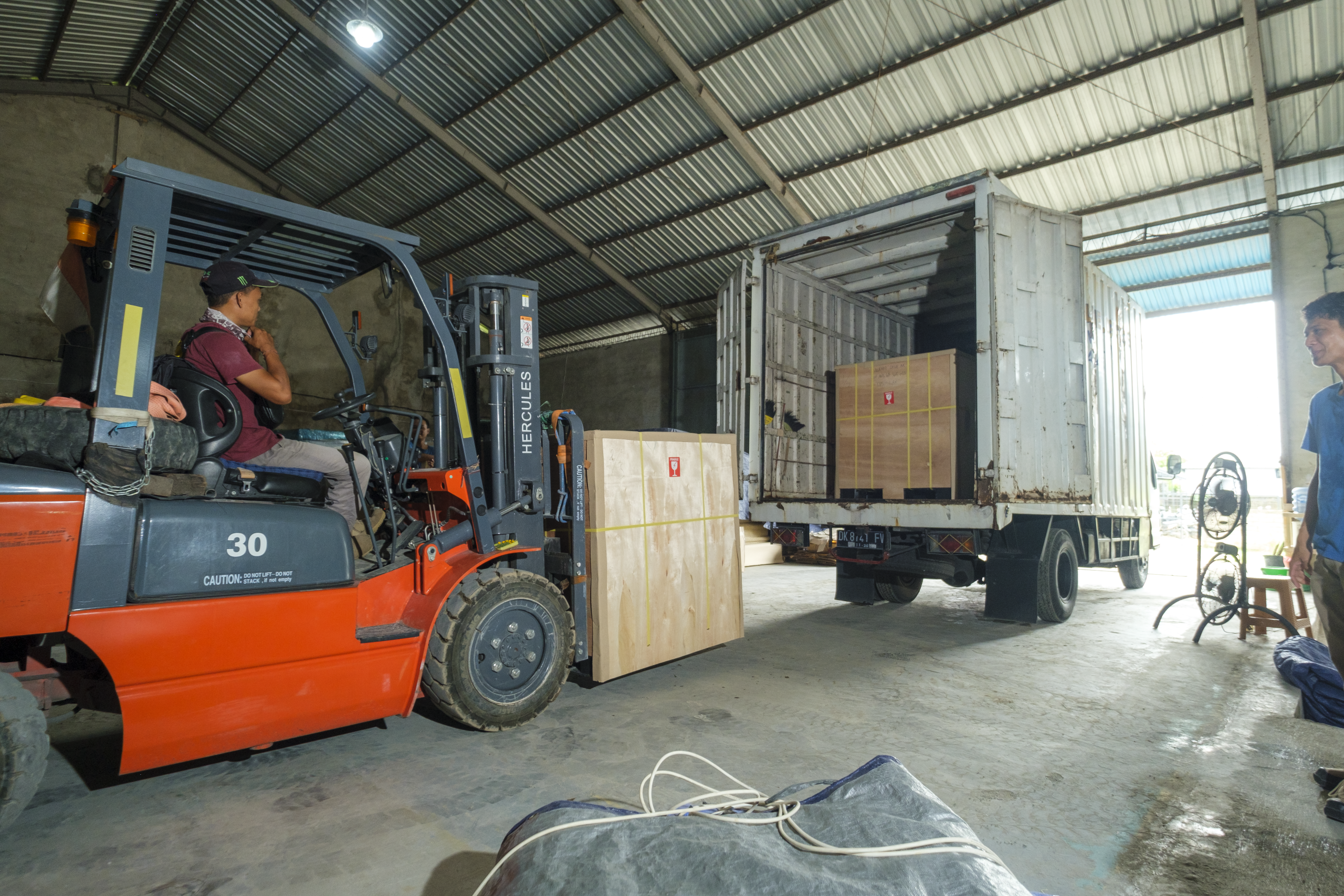
- Crate only what needs a crate. Fragile, heavy or irregular pieces get a wooden crate built around them. Everything else travels cheaper in cartons.
- Plan for humidity. Bali is humid and a container is hotter still. Wood and rattan that were not properly dried will arrive with mould or cracks. Use dried material, desiccant, and avoid sealing damp goods in plastic.
Shared container or your own
Most first handicraft orders fit comfortably in shared container space. Once your packed volume passes roughly fifteen cubic meters, a full container usually costs less and your cargo travels sealed from your workshop to your buyer. We compared the two in detail in LCL or FCL: which one is actually cheaper.
What actually causes the delays
- A packing list that does not match the invoice, or either of them not matching the boxes.
- Wooden packaging without an ISPM 15 mark.
- A certificate of origin requested after the vessel has sailed, when it is far harder to arrange.
- An HS code chosen at the last minute, which changes the duty and sometimes the permits.
- Missing the container cut off, which closes two to three days before the ship leaves.
Plan backwards, not forwards
Work from the date the goods must arrive. Subtract delivery at the far end, customs clearance, sea transit, the cut off, then the days needed for fumigation, quarantine inspection and certificates. For a first shipment, the paperwork usually needs more lead time than the production.
If you are still shortlisting providers, we explain what to look for in the best cargo company in Bali.
Where we come in
Jalak Kargo Logistik handles handicraft exports out of Bali and Yogyakarta, including crating on site, ISPM 15 treatment, quarantine and customs clearance in house, and the document set your buyer will ask for. Send us your packing dimensions and the destination and we will tell you what the shipment needs before you commit to anything. For costs and transit times on furniture specifically, see shipping furniture from Bali, and the short answers are on our FAQ page.